Scarf, Shirt or Pin: Choosing a Matchday Keepsake
Choose a matchday keepsake that suits how you travel, dress and remember the day, from a scarf carried into the singing to a pin kept on display.
A matchday keepsake is most satisfying when it brings back the part of the day you would otherwise forget. A scarf can recall a stand full of singing, a shirt can hold a season’s identity, and a pin can preserve one small detail. Choose by the memory you want to carry, then consider how you will use or keep the object.
Choose the memory first
Name the moment you want to keep before choosing anything. Perhaps it was your first visit with a relative, an away day in unfamiliar streets, a cup tie that ran late, or the view from a seat you had never occupied. A keepsake feels more personal when it points to one day rather than serving only as a general declaration of support.
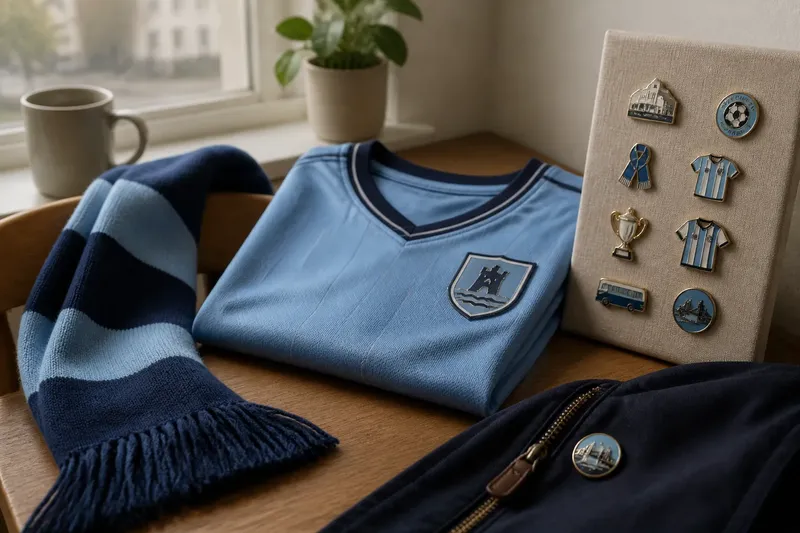
That distinction changes what to look for. A scarf in the club colours may bring back the crowd as a whole; a shirt may recall who wore it or where you watched. A pin with a distinctive fixture design can preserve a small detail that made the day yours.
Think of each item as a label on a drawer: it works best when you know which memory belongs inside. If you cannot say what a souvenir would remind you of, pause before choosing it. It need not be rare or expensive; it needs a clear connection in your own mind.
Scarves in the crowd
A scarf is the most public of these choices. Wear it around your neck, lift it during a song, or tie it to a bag on the journey home. Its colours are visible at a glance, and its movement makes it part of the crowd rather than just something you carry away.
That visibility suits a day remembered for collective feeling: the singing, the shared reaction to a goal, or the way a section of the ground seemed to move together. A scarf can mark a specific fixture if its design, lettering or colours are tied to the occasion. A plain club scarf can still hold a matchday memory, but the connection comes from you rather than its design.
Consider comfort and practical use. A bulky knit can be welcome in cold weather but awkward to stow when the day warms up; a lighter woven scarf may pack more easily. Check the material and care instructions if you expect to wear it often. Some supporters want a scarf they can use without worrying about keeping it pristine; others prefer one that stays clean for display.
There is a social choice, too. Wearing club colours makes your allegiance easy to read, which may be precisely the pleasure. If you prefer a quieter souvenir, or your matchday clothes need to work beyond the ground, a scarf might feel more conspicuous than useful.
Shirts beyond the ground
A shirt connects matchday to the club’s visual identity in a more complete way. It may recall a particular kit, a player you watched, or the feeling of wearing the same colours as those around you. Compared with a scarf, it is less convenient to pull out for a brief moment of participation, but it can become regular clothing or a substantial display piece.
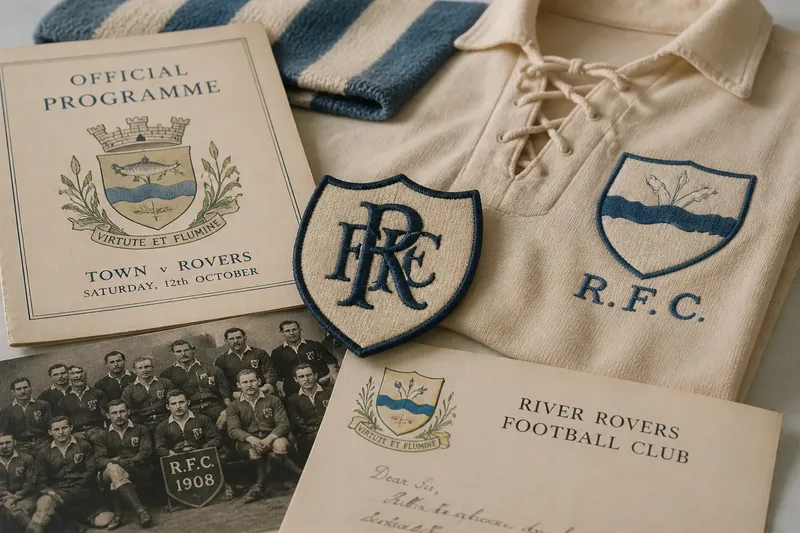
Ask whether the shirt belongs to the memory or merely resembles it. A shirt bought on the day can mark a first visit, while a current-season top may recall a broader stretch of following the team. For a direct link to one fixture, look for a detail that narrows the association: a match-specific design, a programme or ticket kept alongside it, or a note recording the day.
Fit matters because a shirt meant to be worn needs to feel comfortable in ordinary settings as well as at the ground. Consider its cut, fabric and care requirements rather than assuming that a replica shirt will wear like your usual top. If it is for display, think about how its colour and shape will sit in the space you have; folding it away is a perfectly good choice if a wall display is not practical.
Personalisation can tie a shirt to a player or a moment, but it also makes the garment more specific. A name or number can be meaningful if it carries a real association for you; it can feel arbitrary if chosen just to make the shirt seem special. Keep the decision rooted in your own memory rather than pressure to make the souvenir look complete.
Pins for small details
A pin is the most compact option, and that scale is its advantage. It can sit on a jacket, bag, scarf or display board without becoming the main feature. A badge shaped around a fixture, competition or local symbol may capture a detail that a broad club design leaves out.
Small objects can preserve precise memories. A pin might call back the design sold at a particular match, a trip shared with a friend, or a symbol you noticed on the walk to the ground. It can travel between coats and bags, though that also makes it easier to misplace.
Check the fastening before wearing it on fabric. A butterfly clutch, locking back or simple pin fitting will behave differently on a thick coat, knitted scarf or soft bag, and a loose fastening can let the badge fall away. For display, a small board or fabric panel keeps pins visible and helps prevent them disappearing in a drawer.
A pin is less likely to serve as a warm layer or everyday garment, so its value depends more on its design and the story you attach to it. If you want a keepsake you can use in the crowd, it may feel too modest. If you want a discreet marker that takes little space, it can be exactly right.
Match the object to the day
Imagine you have attended an away match with a friend, and your strongest memory is the two of you singing together in a chilly stand. A scarf in the colours worn that day could bring back the shared noise and remain useful on another visit. If instead you remember a distinctive match design, a pin may preserve that detail more clearly. The choice follows the memory you want to carry, not a ranking of which item is best.
Use these checks to make the choice concrete:
- Will you wear it? If you regularly reach for scarves, choose one that suits your usual coat; if you do not, consider a pin or a shirt you would wear casually.
- Where will it live? If you have a safe display board or storage place, a pin or shirt can stay visible; if not, choose an item that fits a drawer or bag you already use.
- Does it identify this day? If the design is match-specific, let it carry the memory; if it is a general club design, keep a ticket, programme or note with it.
- How visible should it be? If you want your allegiance noticed, choose a scarf or shirt; if you prefer a quieter reminder, choose a pin.
- Will its care suit your habits? If you are happy to follow garment care instructions, a shirt or scarf may work; if you want less handling, choose a pin for display.
- Could it be lost or damaged in use? If a pin’s fastening feels loose on the fabric, secure it on a display board instead; if the fastening holds firmly, wearing it may suit you.
Say you return from an away fixture with a friend and have a hypothetical budget of one keepsake. You remember the singing more clearly than the score, already own several shirts, and have a warm coat that suits a scarf. First, the memory points towards the crowd, so a scarf fits better than a shirt; second, the match has no distinctive pin design you particularly noticed, so a pin would add less context; third, your existing shirts make another one less useful. The resulting choice is a scarf, with a short note about the friend and the song to tie its general club colours to that particular day. Those invented details illustrate a decision, not a real match or a claim about what every supporter should choose.
These checks help avoid buying an object simply because it is available. A supporter who already owns several scarves may get more pleasure from a small pin tied to a particular day. Someone who never wears badges might prefer a shirt they can wear beyond matchday. There is no obligation to collect every form of club merchandise.
Which keepsake suits you?
Which keepsake is easiest to wear?
A scarf works with different coats and matchday outfits, while a shirt suits you best when its fit and style feel comfortable. A pin adds a small detail to clothing or a bag, but its fastening needs to suit the fabric.
How do I make a keepsake specific to one match?
Choose a design linked to that fixture where possible, then keep a ticket, programme or short note with the item. A few words about who was there or what you remember can make a general club souvenir point back to one particular day.
Should I wear or display the item?
Let the object’s use guide you: scarves and shirts are made to be worn, while pins can work on clothing or in a small display. You can also use an item first and put it away later; keeping it pristine is not the only way to value it.
What if I cannot choose between them?
Start with the detail you would otherwise forget. If the memory is mainly about the crowd, lean towards a scarf; if it is about the kit or what you wore, consider a shirt; if one small emblem sums up the day, choose a pin.
Keep the memory close
Choose the matchday keepsake that fits both the memory and your habits. A scarf carries colour and collective noise, a shirt makes club identity part of what you wear, and a pin preserves a compact detail. A note tucked beside any of them can supply the context that merchandise cannot.
Keep that note simple: the fixture, who shared it with you, and the detail you want to remember. Years later, the object may look like any other piece of clubwear; the note can return it to the right day and the people who were there.